Back
How to set up a budget
Setting up a budget is one of the best ways to take control of your money. Whether you’re trying to pay off debt, save for a home, or simply make your income go further, this step-by-step guide explains how to create a realistic budget that works for life in New Zealand. You’ll also learn how to stick to your budget and avoid some of the most common budgeting mistakes.
How to set up a budget in 5 simple steps
Here’s exactly how to set up a budget in 5 simple steps:
- Set clear money goals
- Track expenses and due dates
- Review needs vs wants
- Start an emergency fund
- Seek financial help if you’re struggling.
Budget setup checklist
Before your budget is complete, make sure you’ve:
✓ Listed every source of income
✓ Recorded all regular bills
✓ Allowed for groceries, transport and everyday spending
✓ Included irregular expenses like insurance and annual subscriptions
✓ Set a savings goal
✓ Planned for unexpected expenses.
How to set up a budget (or start a budget plan) step by step
To set up a budget, start by understanding exactly how much money comes in each month and where it goes. Once you’ve listed your income, regular bills and everyday spending, you can build a budget that reflects your lifestyle and supports your financial goals.
- Set clear money goals
Plan your spending and guide where your income should go, use our free Goal Setting Template to map them out and stay on track - Track expenses and due dates
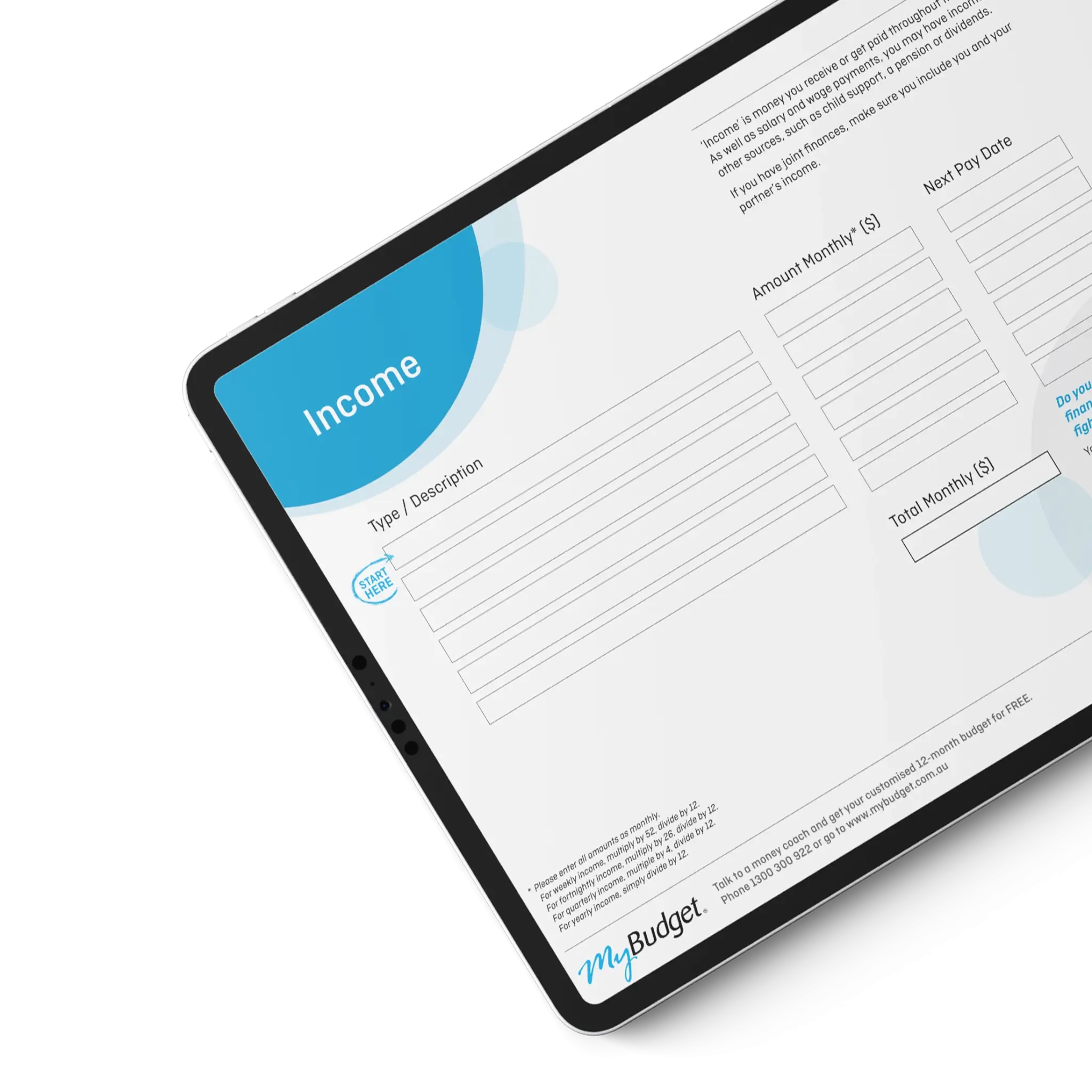
Keep bills paid on time to stop late fees and additional interest charges. Use our free Personal Budget Template to get started - Review needs vs wants
Identify areas to cut back and adjust your money mindset, freeing up more funds for priorities, savings goals, and long-term financial success - Start an emergency fund
Prepare for unexpected expenses by putting away even a small amount each week. Use our free Savings Calculator to see how quickly you can reach your target - Seek help if you’re struggling.
MyBudget can help you budget better, reduce money stress, and create a plan you can stick to. Book a free, no obligation appointment with one of our expert Money Coaches today.
This is the foundation of how to set up a budget that actually works long term.

How to create a budget that works long term
Creating a budget is not about restriction. It is about building a realistic money management plan that aligns with your lifestyle, financial goals, and personal objectives.
A sustainable budget should:
- Reflect your real spending habits
- Include discretionary expenses (like the fun stuff!)
- Account for irregular costs like insurance, vehicle registration and health expenses
- Include automatic savings contributions
- Support long‑term financial goals and your financial future.
Budgeting for beginners: where should you start?
If you are new to budgeting, start simple. Focus on awareness before fixing.
Begin with:
- Reviewing bank statements and transaction history
- Listing rent or mortgage, utilities, groceries, insurance and loan repayments
- Identifying discretionary costs such as food deliveries, subscriptions or entertainment
- Setting one clear savings goal.
Beginners often benefit from using a budget planner, worksheet, spreadsheet, or digital tools like budgeting apps to track progress.

What income and expenses should you include in a budget?
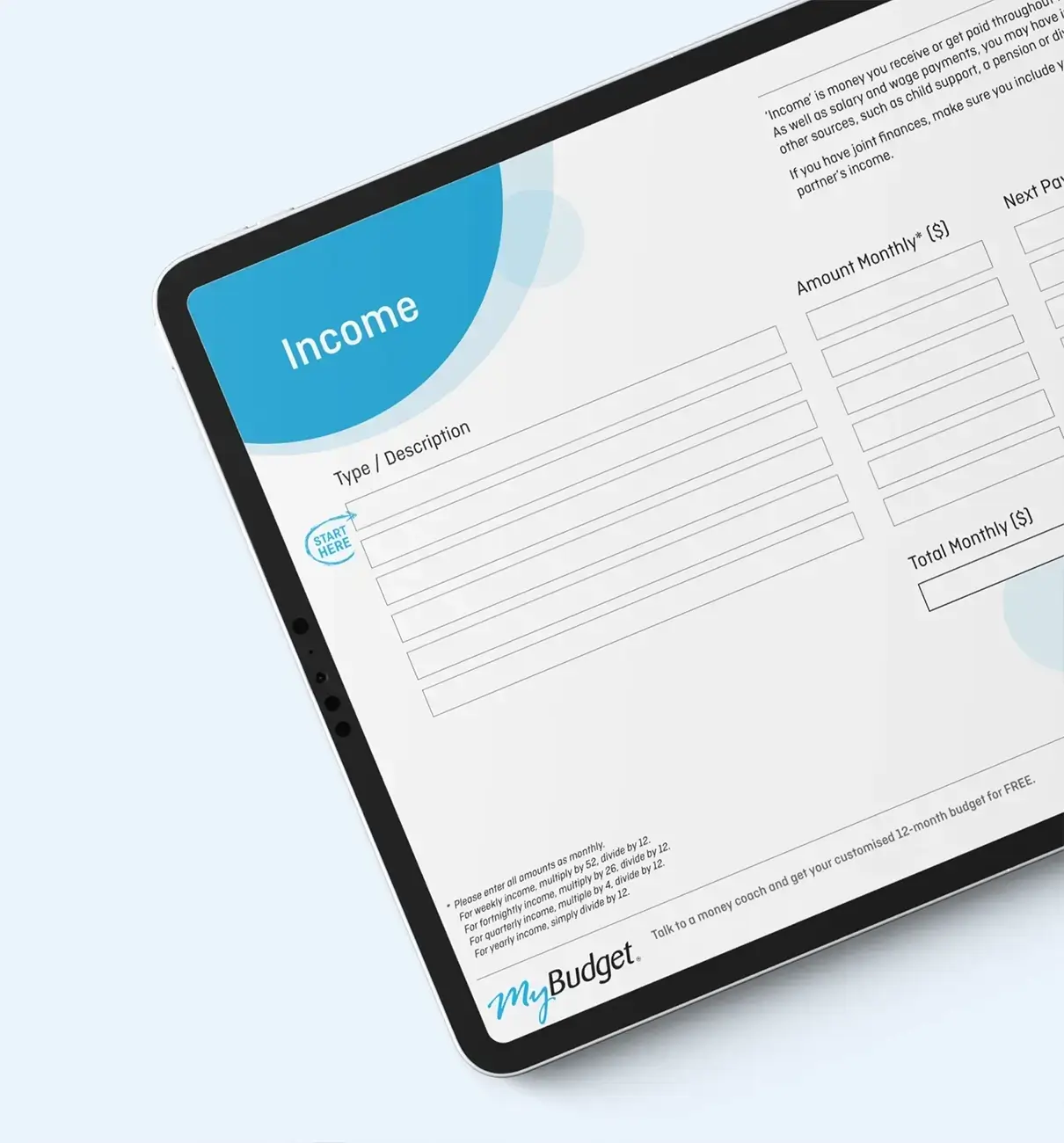
Your budget should reflect your actual monthly income and full list of expenses. Include:
Income
- Salary or wages
- Side hustle or entrepreneur income streams
- Government payments
- Investment income.
Essential expenses
- Rent or mortgage
- Utilities and energy bills
- Insurance and health insurance
- Groceries
- Loan and credit card repayments.
Variable and discretionary expenses
- Online purchases
- Dining out or takeaway
- Subscriptions
- Personal spending such as manicures or shopping.
Tracking all accounts, bank account movements, and receipts improves financial awareness and money management.
Don’t forget expenses that don’t occur every month, such as vehicle servicing, rates, birthdays, Christmas, school costs or annual insurance premiums. These often catch people out if they aren’t included in a budget.
How do you stick to a budget?
Sticking to a budget requires structure and automation.
To stay consistent:
- Automate savings using automatic transfers
- Use a separate high‑interest savings account for your savings goal
- Review your spending habits weekly
- Reduce high‑cost credit and interest where possible
- Build awareness before making impulse purchases.
Consistency builds good financial habits and confidence.
How much should you save in an emergency fund?
An emergency fund protects you from relying on high‑cost credit when unexpected costs arise.
Aim to build an emergency savings buffer covering at least three months of essential expenses. Even small, automatic savings contributions can grow into a strong emergency savings account over time.
To build faster:
- Set up automatic transfers on payday
- Direct spare change or everyday round up features into savings
- Add tax refunds or unexpected windfalls into your emergency fund.
If you would like help starting an emergency fund, check out our guide: How to build an emergency fund in Australia.
What is the best way to pay off debt using a budget?
A clear budget shows exactly how much money you can allocate to debt payments each month.
To reduce interest and improve your credit score:
- Pay more than minimum credit card repayments
- Focus on highest interest debt first or use the snowball method
- Automate repayments
- Avoid new high‑cost credit while reducing balances
Reducing debt improves your overall financial situation and long‑term financial goals.
For a practical action plan, read our Debt Management Strategy Guide.
MyBudget’s process gave us peace of mind. It’s not about whether you can afford something, it’s about knowing there’s a plan, and the money will be there when you need it.
Phil | MyBudget client
Read Michelle and Phil’s budgeting success story to see how a structured plan changed their financial future.

Budgeting in New Zealand
The cost of living in New Zealand continues to put pressure on many households. Factoring rising grocery prices, rent or mortgage repayments, insurance, fuel and utilities into your budget can help you avoid financial surprises and stay on track with your goals.
Budgeting tips for New Zealanders
Practical budgeting strategies include:
- Review your insurance each year
- Compare electricity and internet plans regularly
- Plan ahead for annual expenses like rates, vehicle registration and school costs
- Review subscriptions every few months
- Increase savings whenever your income increases.
Regular review keeps your budget aligned with your goals and raises an important question: how often should you review it?
How often should you review your budget?
Review your budget every month to adjust for changes in income, bills or goals. Conduct a deeper review every six to twelve months, or after big life changes such as separation, job loss or if you are thinking about starting a family.
Common budgeting mistakes to avoid
Avoid these common pitfalls:
- Being too strict and unrealistic
- Forgetting irregular expenses
- Not tracking spending across accounts
- Not having an emergency fund
- Ignoring interest on loans or credit cards.
A flexible, realistic plan supports long‑term budgeting success.
Can I create a budget if my income changes every week?
Yes. If your income varies, base your budget on your average income over the past three to six months. Prioritise essential expenses first, then allocate any additional income towards savings, debt repayments or upcoming expenses. Reviewing your budget regularly will help you stay on track even when your income changes.
Are you ready to set up a budget that reduces money stress?
A budget gives every dollar a purpose. Once you know where your money is going, it’s easier to reduce debt, save for the future and feel more confident about your finances.
If you’d like help creating a personalised budget, MyBudget can prepare a free, no-obligation budget plan tailored to your financial situation.
Or call us on 09 849 6285 today to see what’s possible when your budget is built around your real life, your goals and your future.

Setting up a budget FAQs
Can’t find what you are looking for? See more FAQs…
The best way to set up a budget for beginners is to start simple and focus on awareness before fixing it all. List your monthly income, write down all essential expenses such as rent, utilities, groceries and loan repayments, then review and track discretionary spending. Set one clear savings goal and review your progress weekly. Using a Personal Budget Template or budget planner can make the process easier and more structured.
If you live pay-to-pay, start by identifying your fixed expenses and minimum debt payments first. Prioritise essential costs, reduce discretionary spending temporarily, and automate even small savings contributions to build an emergency buffer. A realistic budget focused on stability and debt reduction can help improve cash flow and reduce financial stress over time.
Yes. A clear budget shows exactly how much extra money you can allocate toward debt payments each month. By paying more than the minimum on high‑interest credit cards or loans and avoiding new high‑cost credit, you reduce interest charges and shorten repayment timeframes. Budgeting to pay off debt improves your credit score and long‑term financial health.
Your budget is working if your bills are paid on time, your savings are growing, and your debt is decreasing. You should feel more in control of your money and less stressed about unexpected expenses. Reviewing your budget monthly and adjusting for life changes ensures it stays aligned with your financial goals and personal circumstances.
This article has been prepared for information purposes only, and does not constitute personal financial advice. The information has been prepared without taking into account your personal objectives, financial situation or needs. Before acting on any information in this article you should consider the appropriateness of the information having regard to your objectives, financial situation and needs.