How to set up a budget
7 min read
Accessing your pay early lets you receive part of your wages before payday, but it’s important to understand the costs, risks and alternatives before using these services. While it can help in a short-term pinch, regularly relying on early wage access may be a sign your budget needs adjusting rather than another quick fix.
Access pay early (sometimes called earned wage access or on-demand pay) is a service that allows employees to access wages they’ve already earned before their normal payday. Depending on the provider, fees or conditions may apply.
These services are often called pay advance apps, earned wage access, or on-demand pay. Instead of waiting for your employer’s normal pay cycle, these mobile apps allow you to withdraw a portion of your earnings directly into your bank account, usually in exchange for a fee.
| Quick answer Accessing your pay early can help with unexpected expenses, but it isn’t a long-term solution if you’re regularly short before payday. Building a realistic budget and emergency savings can reduce the need to rely on early wage access. |
It can be helpful in genuine emergencies, but relying on early wage access every pay cycle may indicate your expenses are exceeding your income.
In New Zealand, accessing wages before payday is becoming increasingly common as people look for ways to cope with higher living costs. During a 12-month trial of BNZ’s PayNow service, more than 500 New Zealand workers withdrew $1.7 million in earned wages early, with the average withdrawal sitting at about $200 per transaction. Approximately half of eligible employees used the service on a monthly basis, highlighting how quickly this type of option can become part of regular money management.
While this might feel like a quick financial breather, it can also lead to a cycle of always being on the back foot, owing money before you even receive it, along with mounting fees and growing financial pressure.

If you’re relying on receiving your pay in advance, keep it simple. Stabilise one bill, align repayments with your pay cycle, and build a small buffer (even $10–$20 each pay). The goal is to stop the next shortfall so you don’t need another advance.
Timeframe | Action | Outcome |
Today | List bills due before payday + essentials | Clarity on what must be covered |
Next 24 hours | Call providers about hardship/payment plans | Reduces pressure and late fees |
Next payday | Build a small buffer line item | Less need for early access |
Next 4 weeks | Reduce advances gradually (e.g., weekly to fortnightly) | Breaks the cycle sustainably |
A $10 weekly fee adds up to $520 a year. Even small recurring fees can quietly build into a significant cost over time, especially when combined with rising living expenses in New Zealand.
Regular use can trap you in a payday-to-payday cycle. When part of your next pay is already committed, it becomes harder to get ahead or handle unexpected costs.
Early wage access can throw off your normal pay cycle, making it harder to manage rent, utilities, loan repayments or direct debits. This can increase the risk of missed or late payments.
Relying on early access can make it harder to build an emergency fund. Without savings, unexpected expenses like medical bills or car repairs can push you back into using these services again.
Learn how to start a small emergency fund so unexpected bills don’t force you to access your pay early.
Unlike payday loans, most earned wage access services don’t run traditional credit checks or report to credit reporting agencies. However, the impact can still show up in your cash flow.
If accessing your pay early causes other payments to bounce or be delayed, you may face late fees, overdraft charges, or fall behind on essential bills. Over time, this can create financial stress and make it harder to manage other forms of credit.

The market includes services like PayNow and other earned wage access platforms, making it easy to access part of your pay before payday; but often at a cost.
Here’s a simple scenario:
If used occasionally, this may help cover a short-term gap. But repeated use can quickly add up.
Example over time:
The real risk comes from repeat usage. Borrowing regularly can create a cycle where you’re constantly catching up, leaving little room for savings or unexpected expenses.
Pay advance apps can feel safer than payday loans because you’re using your own wages, but repeated use and fees can create a similar cycle. Payday loans carry higher costs, and credit cards can become expensive if balances aren’t paid off.
| Option | What it is | Typical cost types | Main risk | Best use case |
| Pay advance apps | Access part of wages early | Flat fee, percentage fee, membership fees | Repeat use creates ongoing shortfall | Rare, one-off gap before payday |
| Payday loans | Short-term high-cost loan | Interest, establishment fees | High costs, debt spiral | Last resort only |
| Credit cards | Revolving credit | Interest, late fees | Interest compounding | Short-term bridge with repayment plan |
If you’re relying on early wage access, the issue is usually a gap in your budget.
Starting a personal budget helps you regain control and stop the cycle.
If you regularly find yourself needing to access your pay early, it’s often a sign that your income and expenses are out of balance. These alternatives can help you stabilise your finances.
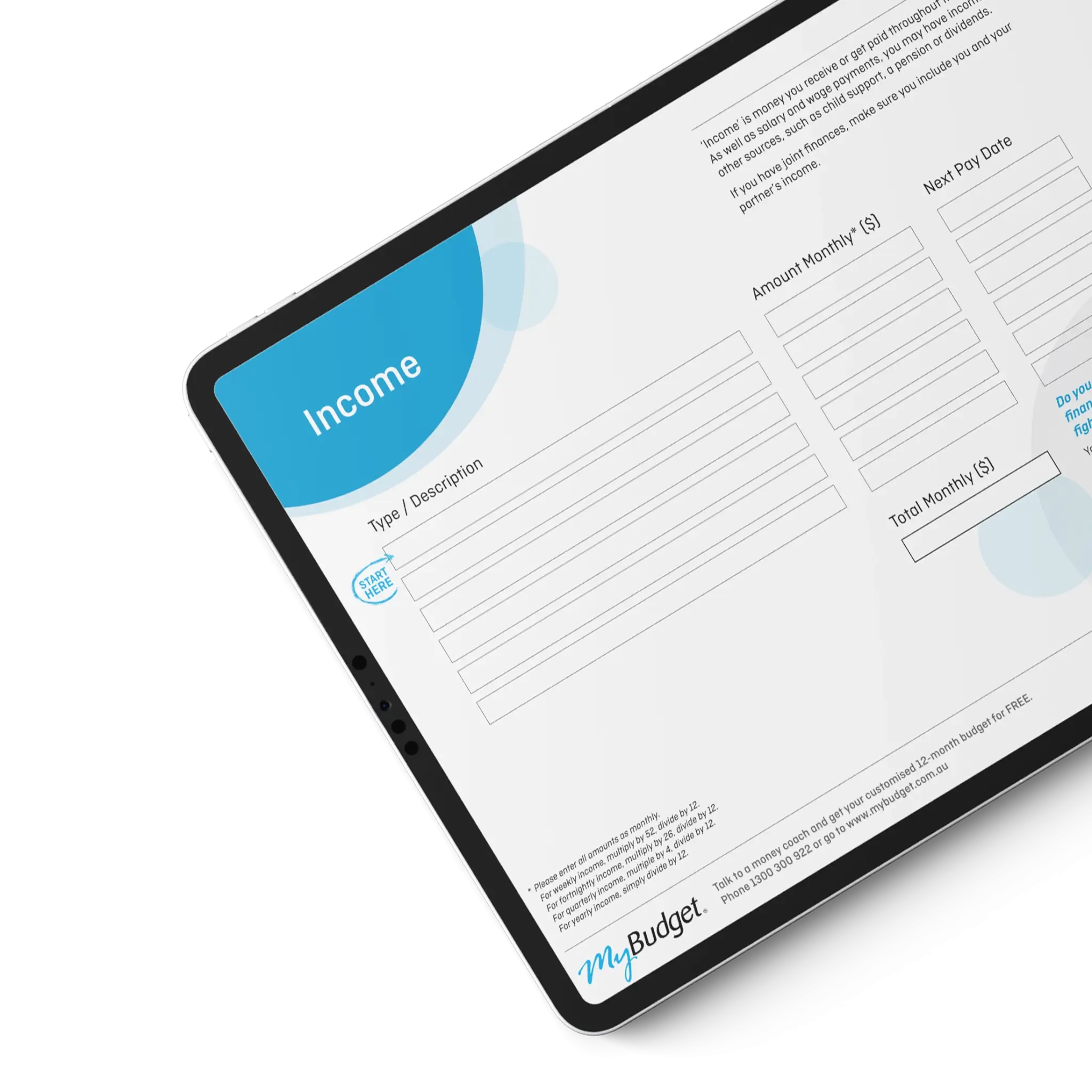
Knowing where your money goes each week is the first step to breaking free from the payday-to-payday cycle. A budget helps you prioritise essentials and plan ahead.
Start small; even $10 a week can add up over time. Having a safety net reduces the need for quick cash solutions.
At MyBudget, we often see people turning to short-term financial solutions because their regular income isn’t stretching far enough. Creating a realistic budget can help reduce financial stress and make payday last longer.
For over 25 years, MyBudget has helped thousands of people regain control of their finances. Our tailored budget plans include strategies to pay off debt, avoid late fees, and build savings for your future goals.

Breaking free from pay advance apps improves your financial stability and helps you reach long-term goals. By building simple habits to handle unexpected costs, you’ll be better equipped to work towards milestones like saving for a home, paying off debt or planning for retirement.
Having a budget isn’t just about surviving; it’s about giving yourself the freedom to thrive, plan ahead with confidence, and enjoy life without the constant worry about money.
Tammy Barton | MyBudget Founder & Director
See how a personalised budget plan helped Michelle & Phil break the debt cycle and get ahead with their money.
A good budget is the foundation of financial freedom. It allows you to focus on what truly matters instead of worrying about how you’ll make it to your next payday.
We’ll help you:
Don’t let access pay early services keep you feeling stuck in a cycle of financial stress. MyBudget can help you break free with a tailored budgeting plan.
With our guidance, you’ll no longer need to rely on your future pay to cover today’s expenses.
Enquire today to get started with your personalised budget plan, or call one of our friendly Money Coaches on 09 849 6285. There’s no obligation, just practical help to get your finances back on track and stop running out of money before payday.

Can’t find what you’re looking for?
See more FAQs…
Getting paid in advance usually means accessing wages before payday via pay advance apps or employer-based services. It can help short term, but frequent use can create ongoing pressure if not managed carefully.
Access pay early services are different from payday loans because they allow you to withdraw money you have already earned rather than borrowing new credit. However, they still charge fees and can create a similar financial cycle if used regularly.
Pay advance apps can appear safer than payday loans because they give access to wages you have already earned. However, the fees and repeat usage can still create financial pressure if you rely on them regularly. When part of your next pay is already committed to repayments, it can leave you short again before payday.
Most earned wage access and pay advance services in New Zealand do not perform traditional credit checks, so using them will not usually appear on your credit report. However, relying on them regularly can still affect your financial wellbeing if it causes you to miss bill payments, incur overdraft fees or fall behind on other financial commitments.
Many New Zealanders turn to early wage access because they are living payday to payday and struggle to cover unexpected expenses before payday. Rising living costs, higher rents, mortgage repayments, groceries and household bills are common reasons people use these services. For some, government support payments such as Jobseeker Support or Working for Families may also not stretch far enough to cover essential living costs.
This article has been prepared for information purposes only, and does not constitute personal financial advice. The information has been prepared without taking into account your personal objectives, financial situation or needs. Before acting on any information in this article you should consider the appropriateness of the information having regard to your objectives, financial situation and needs.